Why My Tire Blew Out at 75 MPH During Phoenix's Hottest Day on Record
Derek Armstrong
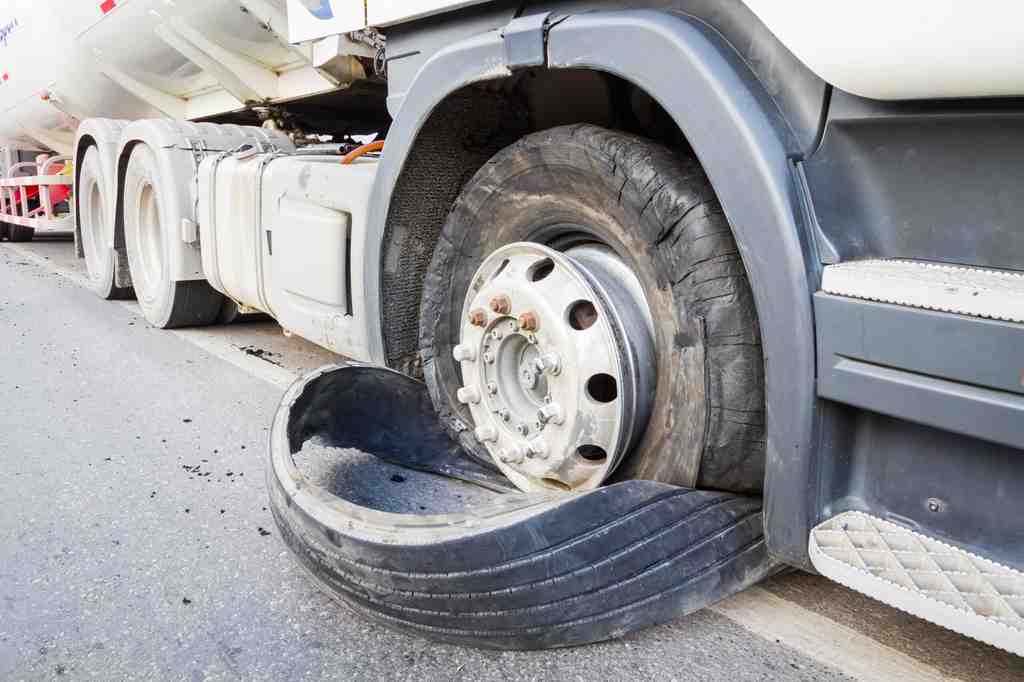
I was driving home from work on I-10 at 5:30 PM when my rear tire exploded. Not a slow leak. Not a gradual flattening. An explosion. A sound like a gunshot. The car swerved. I gripped the wheel. I fought the fishtail. I managed to pull onto the shoulder while semis whizzed past at 80 mph, their draft rocking my car like a toy. My heart was pounding. My hands were shaking. And the temperature outside was 118 degrees. The asphalt was 165. And my tires, which had been perfectly fine at 8 AM, had become pressure bombs in the afternoon heat. I stood on the shoulder, waiting for AAA, watching the heat shimmer off the pavement, and I realized that tire safety in Phoenix is not what it used to be. Because the heat is not what it used to be. And the tires are not built for it.
I've been driving in Phoenix for twelve years. I know the heat. I check my tire pressure monthly. I rotate my tires every 5,000 miles. I replace them when the tread gets low. I thought I was responsible. I thought I was safe. But I had never experienced 118 degrees. Not really. Not sustained. Not day after day. And I had never thought about what that kind of heat does to rubber. To air pressure. To the structural integrity of a tire. The tire that blew was two years old. It had 20,000 miles. It had plenty of tread. But the heat had degraded the rubber. It had weakened the sidewalls. It had increased the internal pressure to the point where the tire couldn't hold. And at 75 mph, with a hot road and a hot tire, it failed. Catastrophically. And I was lucky to be alive.
Here's the physics that the tire shops don't tell you. For every 10 degrees the temperature rises, tires gain 1 PSI of pressure. That's pounds per square inch. If you inflate your tires to 35 PSI at 70 degrees, they'll be at 40 PSI at 120 degrees. That's a 14% increase. And that's just from the air temperature. The road temperature is higher. Asphalt in direct sun can reach 160 degrees. The tires are in contact with that asphalt. The rubber heats up. The air inside heats up more. The pressure increases further. And the rubber degrades faster. A tire that might last 50,000 miles in a temperate climate might last 30,000 in Phoenix. Because the heat is cooking the rubber from the inside and the outside simultaneously.
I started researching after the blowout. I found a study from the Rubber Manufacturers Association. It said that tire failure rates increase by 30% in extreme heat. I found a study from the National Highway Traffic Safety Administration. It said that underinflated tires are more likely to fail in heat. But so are overinflated tires. The sweet spot is narrow. And in Phoenix, that sweet spot changes by the hour. The pressure at 6 AM is different from the pressure at 3 PM. The pressure in the shade is different from the pressure in the sun. The pressure on the highway is different from the pressure on surface streets. And the tire pressure monitoring system in my car? It doesn't account for any of this. It just says "check tire pressure" when it's already too late.
I started checking my tire pressure three times a day. 6 AM. Noon. 6 PM. The variation was shocking. At 6 AM, the tires were at 34 PSI. At noon, 38 PSI. At 6 PM, 41 PSI. The recommended pressure is 35 PSI. So at 6 PM, my tires were overinflated by 6 PSI. That's enough to increase blowout risk significantly. And I was driving on those tires. At highway speeds. On hot asphalt. With 41 PSI in a tire rated for 35. I was driving a bomb. And I didn't know it. Because the tire shop had told me to "check pressure monthly." Not hourly. Not daily. Monthly. In a climate where the pressure changes by 7 PSI in a single day.
I bought a portable air compressor. I keep it in my trunk. I deflate my tires in the morning. I inflate them at night. I check the tread depth weekly. I check the sidewalls for cracks. I replaced all four tires after the blowout. Not because they were worn. But because they were heat-damaged. The rubber was hard. The sidewalls were checked. The tires were two years old but they were cooked. The tire shop told me I was being "overly cautious." I told them I was being "alive." Because one blowout at 75 mph is enough to teach you that caution is not paranoia. It's survival.
The thing that really gets me is that the tire industry knows about this. They test tires in extreme heat. They have data. They have research. But they don't tell consumers. They don't say "replace your tires every two years in Phoenix." They say "replace when tread is low." They don't say "check pressure daily in heat waves." They say "check monthly." They don't say "heat degrades rubber even if tread looks fine." They say "tires are safe if properly maintained." But "properly maintained" in Phoenix is not the same as "properly maintained" in Portland. And the industry is pretending that it is. Because admitting that heat destroys tires would mean admitting liability. And admitting liability means lawsuits. So they stay silent. And drivers blow out tires. And sometimes they die.
I started talking to other drivers. The guy in my office told me he had two blowouts in one summer. The woman at the gym told me her tire had exploded in her driveway. The neighbor told me his RV tires had all blown on a trip to Tucson. Everyone had a story. Everyone had a close call. And everyone was checking their tires more often. But none of them had been told by the tire industry that heat was the problem. They all thought it was bad luck. Or manufacturing defects. Or road debris. It wasn't. It was the heat. The 118-degree heat that is becoming normal in Phoenix. The heat that cooks tires from the inside out. The heat that turns rubber into brittle plastic. The heat that kills.
I'm not giving up driving. I have to drive. I live in Phoenix. Everything is spread out. The bus doesn't go where I need to go. I need my car. But I'm not going to die for it. I check my tires obsessively. I replace them early. I drive slower in the heat. I avoid the highway during the hottest part of the day. I carry a compressor, a jack, and a spare. And I pray. Because the heat is not going away. It's getting worse. And the tires are not getting better. They're the same tires. Made of the same rubber. Designed for the same moderate climates. And they're failing. One by one. In the heat. On the highway. At 75 mph.
So here's my advice. If you live in a hot climate, check your tire pressure daily. Not monthly. Daily. Replace your tires every two years, regardless of tread. Check the sidewalls for cracks. Drive slower in extreme heat. Avoid the highway during the hottest part of the day. And carry a compressor. Because the tire that looks fine at 8 AM might be a bomb at 5 PM. And the only way to know is to check. And check. And check again. Until the heat breaks. Or until you move. Whichever comes first.
Anyone else had a tire blowout in the heat? Because I'm starting to think we need a Phoenix Tire Safety Coalition. And I'm willing to organize it.
