Tire Load Index Calculator
Enter your tire size and load index — see maximum weight per tire and recommended load for your vehicle.
All data stays in your browser — we never see it.
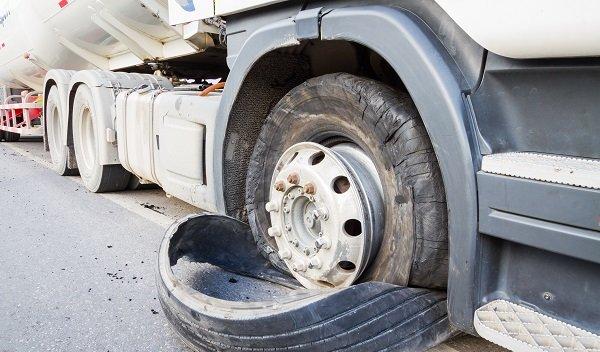
I sent Dave the link. He plugged in his truck’s gross vehicle weight rating (GVWR) and the tire’s load index. The tool told him that the P‑metric tires were at 98% of their maximum capacity with just the truck, a full tank, and two passengers. Add the boat tongue weight – about 500 pounds – and they were overloaded by about 8%. That’s not a safety margin. That’s a ticking clock. The tire didn’t blow because of a defect. It blew because it was asked to do something it wasn’t designed to do. The sidewall overheated. The internal plies separated. Then the air found its way out. I asked Dave if the tire shop had asked him about his towing habits before selling him the tires. He said “they asked if I wanted the road hazard warranty.” That was it. No load index check. No GVWR calculation. No discussion of LT vs. P‑metric. Just “do you want to pay an extra $30 for flat tire protection?” This is the part that makes me angry. Not at Dave. At the shops that should know better. Selling a P‑metric tire to an F‑150 owner who tows a boat is like selling summer tires to someone in Buffalo in December. It’s not illegal. But it’s irresponsible. A lot of tire shops have salespeople who don’t know the difference between load indexes. They punch the vehicle into a computer, the computer spits out a few compatible sizes, and they sell whatever is in stock. They’re not looking at the fine print. They’re not asking “do you tow?” They’re just moving rubber. The Tire Speed Rating Guide is another one of those things that gets ignored.Tire Speed Rating Guide
Enter your tire speed rating — see maximum safe speed and performance characteristics.
All data stays in your browser — we never see it.
Dave’s tires had a T speed rating, which is good for 118 mph. That’s fine for highway driving. But speed ratings also affect heat dissipation. A lower speed rating at high load creates more heat. More heat increases the risk of failure. Dave wasn’t speeding when the tire blew. He was doing 65. But the load was already so high that any additional heat – from speed, from hot pavement, from underinflation – could push the tire over the edge. When the tow truck arrived, the driver looked at the blown tire and said “I see this all the time. People put passenger tires on trucks because they’re quiet. Then they tow something and boom.” Boom is an exaggeration. It didn’t explode. It just … let go. The tread separated from the carcass. The truck pulled hard to the left. Dave held the wheel straight. He was lucky it wasn’t a front tire. The Tire Load Index Calculator would have flagged this problem before Dave ever left the shop. He could have walked into the tire store knowing exactly what load index he needed. He could have said “I need LT tires with a load index of at least 115.” He could have walked out if they tried to sell him P‑metrics. But he didn’t know any of that. And the salesperson didn’t volunteer it. After the blowout, Dave bought a set of LT275/55R20 tires with a load index of 121. They cost him $1,600 – $400 more than the first set. He also bought a portable tire pressure monitoring system because he didn’t trust the truck’s factory system after the incident. He told me he’d never buy tires online or from a discount chain again. He only goes to a commercial truck tire shop now. They ask him what he tows, how much weight, and how far. They check his GVWR. They explain the load index. That’s what a good tire shop does. The discount chain just sells tires. I asked Dave if he ever went back to the original shop to complain. He said “no. What’s the point? They’d say I overloaded it. They’d say it’s not their fault. I just want to forget about it.” I don’t blame him. But I do think about all the other truck owners who are driving around on P‑metric tires, towing boats and campers and utility trailers, with no idea that they’re one hot day away from a blowout. If you drive a truck – any truck – check your tire sidewall. Look for the “LT” prefix. Look at the load index number. Compare it to your door jamb sticker. If the numbers don’t match, or if the load index is lower than the truck manufacturer’s recommendation, don’t drive another mile without fixing it. Use the load index calculator. Know your numbers. Don’t trust the tire shop to do the right thing.